Head gardener’s guide to spring soil preparation
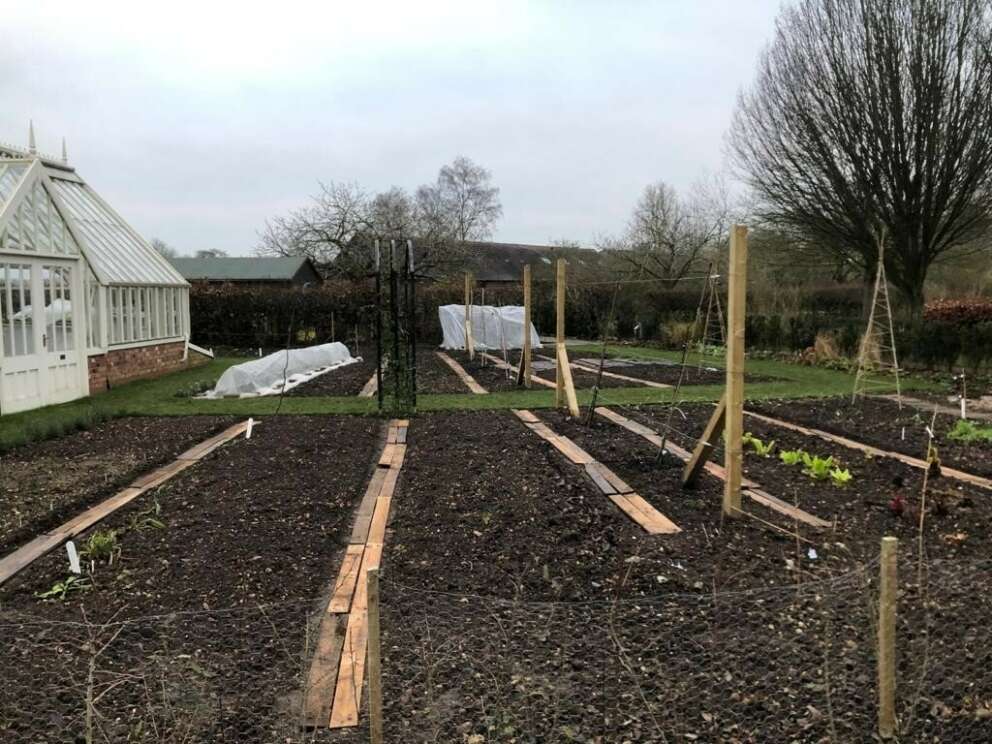
In order to get the most out of your growing space, take some time prior to seed sowing to get your soil in tip-top condition. Here’s five things I like to do in the organic garden at Ryton in February, and some advice on soil temperatures.
1. Prepare soil during the right weather conditions. Never work on the soil when it’s frozen or soaking wet/waterlogged. The optimum time is when the soil is damp, not too dry and not too wet. If the soil is too dry it will inhibit a plant’s ability to take up nutrients and water, if too wet working on it will lead to compaction, less aeration and this will restrict root growth.
2. Incorporate your green manures. If you sowed green manures in the autumn, you can now turn them over into the soil (this doesn’t need to be deep digging just turning them over into the top later). Or, if you practice ‘no-dig’, then use the chop and drop method and allow the plant to rot naturally on top of the soil. This will add valuable structure and nutrients back into the soil.
3. Weed and remove old plant material. Remember that weeds are good ground cover and their roots encourage microbes, bacteria and fungi overwinter, as well as opening up the soil. But as you move towards sowing, you’ll want to remove any weeds that inhibit your new plantings or seed germination. If the weeds are annual, and it’s a dry breezy day, hoeing is a great method to eradicate weeds. You can also use a small hand fork. Perennial or pernicious weeds are best dug out, along with as much root as possible. Now is also a good time to get rid of any larger stones or rocks, branches or twigs. These can be repurposed for bug hotels. It’s a good idea to work from the edge of the beds to avoid walking on the area as much as possible and if, like us, you have large beds use boards to spread your weight.
4. Add organic matter. This tends to be done annually in autumn or spring. Your own compost is perfect, but you may need to supplement it with green manures, leafmould or bagged peat-free organic compost. This can either be applied by forking it lightly into the soil or as a mulch layer. Finally, rake the soil over to a fine tilth.
5. Always follow the packet instructions. Soil temperature is crucial for many seeds so make sure it’s sufficiently warmed up otherwise seeds can sit and rot or germinate incredibly slowly. Here’s our handy guide to soil temperatures below. Take note of the depth and spacing required, I like to use a string line, unless broadcasting, and always date and label your sowings.
Best soil temperatures for sowing 🔗
Most crops need a minimum (and consistent) soil temperature of 10°C to germinate. But sweetcorn, courgettes, marrows, pumpkins, cucumbers, tomatoes, French beans and runner beans are temperature sensitive crops. If they’re sown in soil that is too cold, germination will be poor, and any seedlings that do appear will not crop as well as those started in warmer soils. The critical period is when the seeds are taking up water to start the germination process. Once this is complete, lower temperatures are acceptable.
Minimum temperatures required by crop: 🔗
• Brassicas – 5-7°C
• Roots: carrots and parsnips – 12-13°C
• Beans: French and runner - 10°C
• Courgettes - 13°C
• Cucumbers - 13°C
• Melon - 13°C
• Sweet potato slips - 12°C
• Pumpkins and squash - 13°C
• Sweet and chilli pepper - 15°C
• Sweetcorn - 10°C
• Tomatoes - 10°C