Become a butterfly citizen scientist!
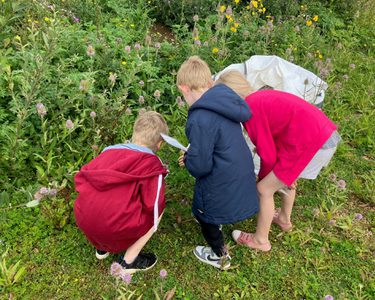
Fancy taking part in some citizen science in your own back garden or park this summer? Looking for something to keep the kids screen free? Charity Butterfly Conservation is running its annual Big Butterfly Count until 9 August - and anybody can take part, even if you don’t have a garden.
Bumper year for sightings
If you’ve noticed a lot more butterflies around lately, you’re right – this year has been perfect for the present generation of butterflies. A wet winter followed by a mild sunny spring meant plenty of plant growth for caterpillars to feed on, followed by sunny conditions to encourage adults to mate, find food plants to lay their eggs on and generally fly around enjoying themselves.
We have seen large migrations of Painted Ladies, Clouded Yellows and even an upturn in the numbers of Purple Emperors recorded. Hawkmoths have been usually abundant, with Elephant, Convulvulus and Striped Hawkmoths making appearances in many more places than usual.
Droughts can spell disaster for butterflies
But it's not all good news. Drought conditions, combined with ever-increasing soil temperatures, are deadly to all sorts of invertebrates which rely on moisture to keep their eggs and larvae alive. From mid June we've had barely any rain - with the parched UK landscape even visible from space. Adult insects are usually able to cope with the temperature, as they can move to find shade but eggs are particularly vulnerable.
What you can do to support butterflies
- Take part in the Big Butterfly Count so you can help record valuable data from your location.
- Allow longer grass on your lawn to help the species which feed on grasses, such as Skippers, Gatekeepers, Meadow Browns and others.
- Pressure local councils to reduce their mowing regimes, allowing weeds to establish (where tolerated).
- Provide a water source for invertebrates such as a deep dish filled with pebbles. Keep it regularly topped up and this will help many garden insects.
- Grow as wide a range of flowers as you can find room for, ideally with single or semi-double blooms to improve access to nectar.
Our gardens, parks and hedgerows are going to look a lot different for our children. The Met Office says we will no longer experience a '20th century climate'. We’re all going to be seeing new species – and probably losing others along the way. Keep your eyes open and see what comes visiting, it’s going to be an interesting next few years!
Find more advice on nurturing butterflies and moths in your garden here.


