
Help us ban glyphosate
TAKE ACTION ON PESTICIDES TODAY 🔗
We want to rid our growing spaces of pesticides and forever chemicals from our food – even if that means one dangerous pesticide at a time.
And our survey shows 90% of gardeners would welcome a ban.
Glyphosate is a danger to our soil, our wildlife - and our health. If you want to see it banned: sign our petition and write to your MP, today.
This is URGENT…
In December, the Government will decide if it will renew the glyphosate licence. This licence could run until 2041.
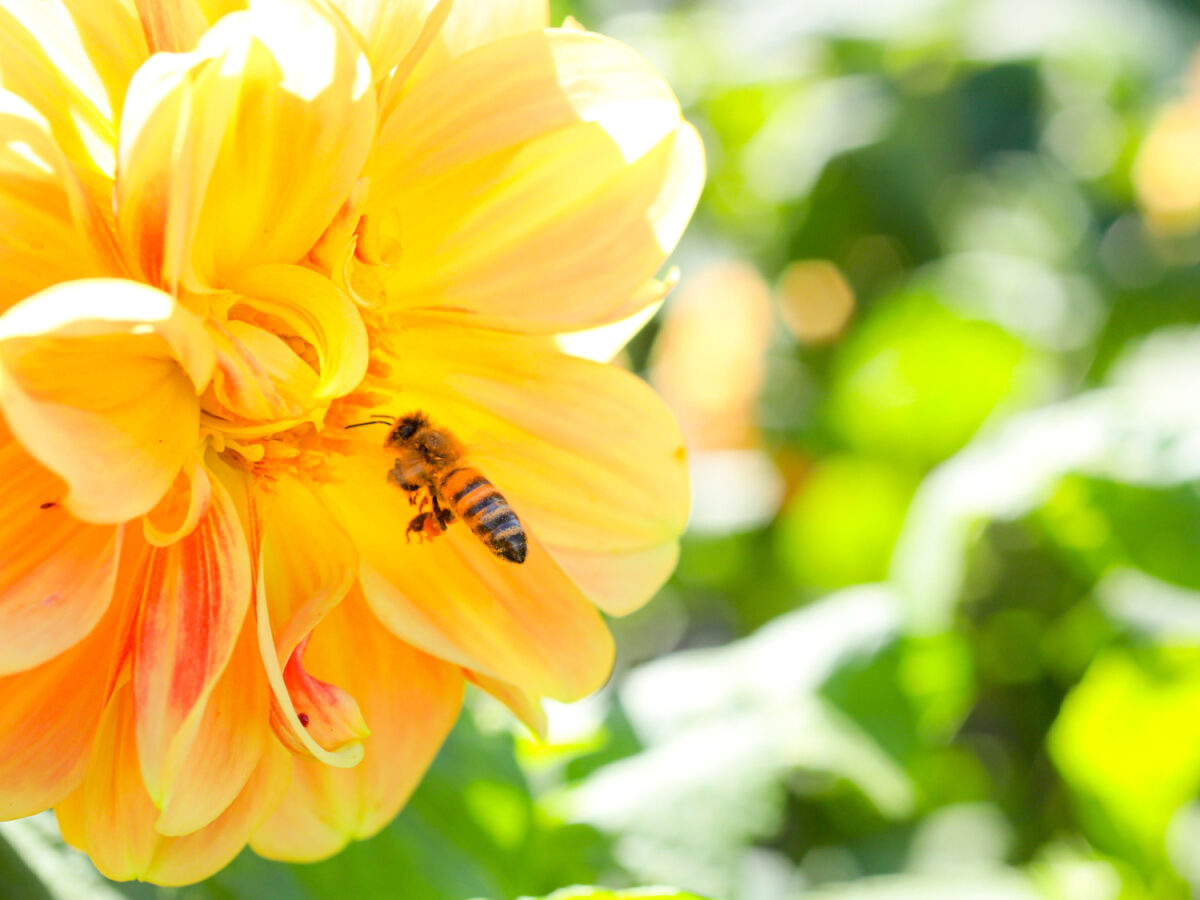
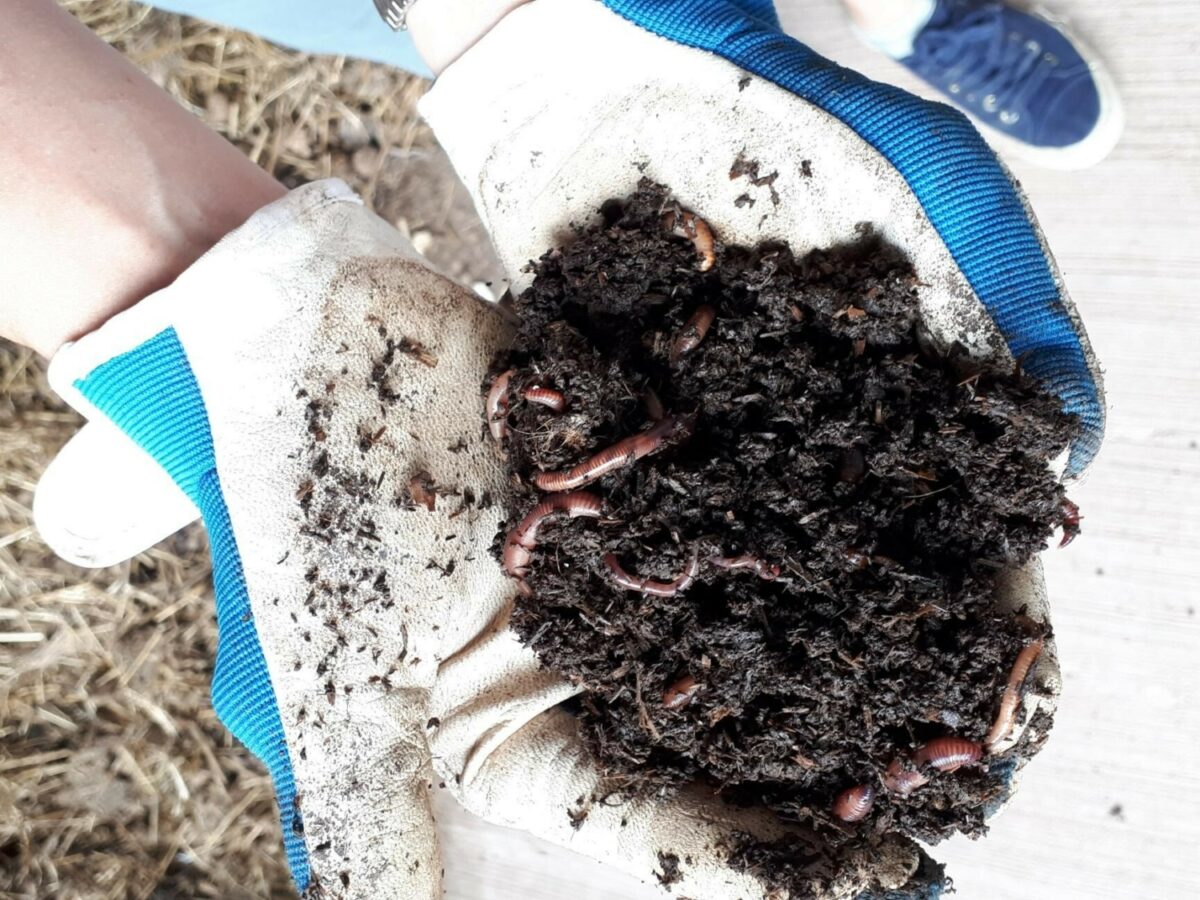
- That’s 15 more years of devastating impacts on earthworms and bees.
- 15 years of glyphosate damage to soils and run-off into rivers.
- 15 years of glyphosate leaching into your food.
If you think that’s unacceptable, sign our petition NOW.

Sign our petition!
Say no to toxic chemicals – and call for a ban on glyphosate by signing and sharing our petition. We want to make your voice loud and clear: glyphosate has no place in our gardens and parks.

Write to your MP
Double your impact and take the issue of glyphosate use direct to Parliament by emailing your MP. Use our template letter or customise to make it more persuasive.
Don't know who your MP is? Find them here
Frequently Asked Questions:
-
Glyphosate is a toxic herbicide that damages your garden, your soil, and the wildlife that resides there. It has been linked repeatedly to a range of chronic diseases, notably cancer.
It's the most widely and heavily used agrichemical worldwide - used in agriculture, by councils in parks and playgrounds, and in gardens through products such as Weedol and some Roundup products. It's absorbed through foliage, inhibiting the plant’s ability to grow healthily and eventually leading to the plant’s death.
For more information about this herbicide visit gardenorganic.org.uk/glyphosate.
-
- It's probably carcinogenic: the International Agency for Research on Cancer labelled glyphosate as “probably carcinogenic”, and a more recent study by PAN Europe linked glyphosate to multiple cancers, even when it was used within EU limits.
- It's a danger to children: PAN UK found cancer-linked pesticides, including glyphosate, in eight out of 13 children’s playgrounds.
- It's leaching into food: there continues to be unacceptable levels of glyphosate found in food. Glyphosate use in UK farming has increased by 1,000% since 1990. Residues have been found in bread, oats and many fruits and vegetables, grown in the UK. In the US, the Rodale Institute found 39 out of 44 restaurant food samples contained glyphosate.
- It damages the environment: glyphosate formulations destroy microorganisms, as well as bacteria in soil (by as much as 73%), and affect earthworms.
Find more detailed information about the impacts of glyphosate at gardenorganic.org.uk/glyphosate.
-
The glyphosate licence in Great Britain expires on 15 December 2026, at which time the government will decide whether to renew it.
A public consultation is planned for June 2026, and will last for 60 days. It will be hosted on the HSE consultation website (HSE).
Find out more about the renewal process at hse.gov.uk/pesticides/active-substances/glyphosate-renewal.htm
-
Pesticides have no place in an organic garden. Garden Organic head gardener Emma O’Neill suggests hand weeding, sowing cover crops such as green manures, and mulching bare soil with well-rotted compost are easy and effective alternatives to using herbicides. Try to tolerate some weeds as they can offer valuable food and habitats for wildlife.
Find out more information about garden alternatives via gardenorganic.org.uk/pesticides. And for the amenity sector, learn more via the PAN UK website at pan-uk.org/alternatives-to-pesticides.
-
Almost 90% of gardeners would welcome a ban on the toxic weedkiller glyphosate, which is used by councils in parks and playgrounds across the country - according to our recent survey.
Our survey showed a growing unease among gardeners about this toxic weedkiller. 87% of our survey respondents would support a ban on glyphosate for amateur gardeners, and the vast majority (93%) said they would also like to see a ban on councils using the pesticide.Find out more at www.gardenorganic.org.uk/news/glyphosate-survey.
Tell everyone you’re taking part in our campaign!
Find out more about glyphosate

Join Garden Organic!
Join Garden Organic to hear about, and support more campaigns like this. We're fighting to get your voice heard on issues such as pesticides and peat-free gardening.
Join Us