Chris Collins on…managing pests organically

As spring turns to summer the intense labour of making sure your young plants remain healthy takes over. Watering , removing any competition, and keeping an eye on any potential pests are the key tasks.
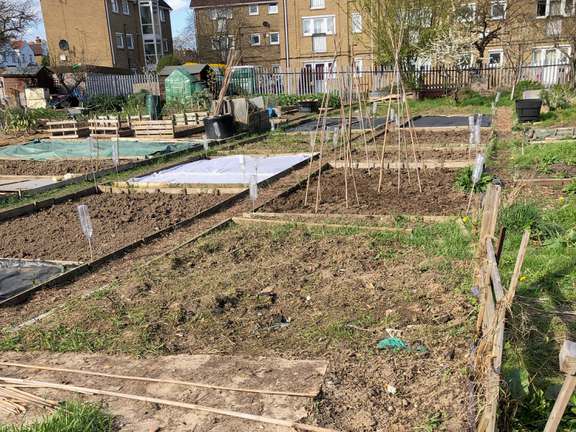
This spring has been particularly challenging in the London area as we’ve had barely any rain. This means I’ve held off doing a lot of direct sowing at my allotment. With so little moisture in the soil, it makes sense to apply a little patience. I’m guessing these arid conditions will play a role in how the rest of the season plays out. When you do water, try to do it in the early morning and water deep.
One huge job for me this month is hardening off all my tender plants. At home, I’m putting them out on the balcony to sunbath and withdrawing them to protect from the cold evenings, which are still noticeable. I’m also transferring crops to my allotment cold frames, where they’re aired during the day but protected at night. This action allows my tender plants to acclimatise to the outdoor conditions, without causing a shock. I’ll look for my final placements near to the end of May when all danger of frost, or the cold easterly wind, has passed.
My balcony also goes through a huge transformation as May progresses. The spring bulbs are removed and transplanted to a more permanent site at the front the property. (I have to say, the build-up of bulbs out there gave a truly outstanding display this year, and it just shows what naturalising bulbs can achieve). Once this is done, I’ll plant up my baskets and pots with a mixture of edibles such as tomatoes, peppers and aubergines, mixing these with my homegrown colourful bedding. This area gives me so much pleasure over the summer and is 100% worth the effort.
Six tips for tackling pests 🔗
This time of year is when we tend to start seeing unwanted visitors in our gardens, particularly aphids and gastropods! Here’s my top tips for reducing any damage they may cause:
1. Practice patience. This is particular important for aphids as predators, such as ladybird and their larvae, and hoverflies, will soon be on their way to help you clear them up. Don’t plant out seedlings until they have achieved some more mature growth (six leaf stage). The courser leaves will be off-putting to slugs and snails.
2. Plant for predators. A flowering fennel will attract the wonderful hoverfly - and its larvae are capable of devouring up to 500 aphids a day! Thyme plantings will also encourage lacewings, and calendula will attract ladybirds.
3. Make habitats a habit. Install a pond or bog garden to help mop up pests, particularly slugs. Build hedgehog houses (ensuring a hole in your fence to enable hedgehog corridors).
4. Remove growing tips. Take out the top growth in plants like broad beans once they have flowers to reduce blackfly. Or physically remove with water spray.
5. Practice good hygiene. To reduce slugs and snails, inspection and removal is crucial. Pick off an mildew infected leaves. Try to avoid leaving areas where snails can gather together. Stacks of pots are a favourite! Keel slugs in particular can cause a lot of damage.
6. Use biological controls. Parasitic wasps are a useful way to manage aphids. Allow some edibles such as brassica to flower to naturally encourage the wasps. Nematodes can be helpful in managing slugs before populations get out of control.
More from Chris:
-

Chris Collins on…pesticide free growing
Chris Collins shares the jobs he’ll be getting on with this April – and provides five tips for reducing your pesticide use
-

Chris Collins on…using recycled materials in your garden
Chris shows you how to breathe new life into old materials to save money in your growing space
-
Chris Collins on…taking on a new plot
Chris guides you through the excitement and trepidation of taking on a new allotment with some useful organic advice