What's the future for fertilisers?
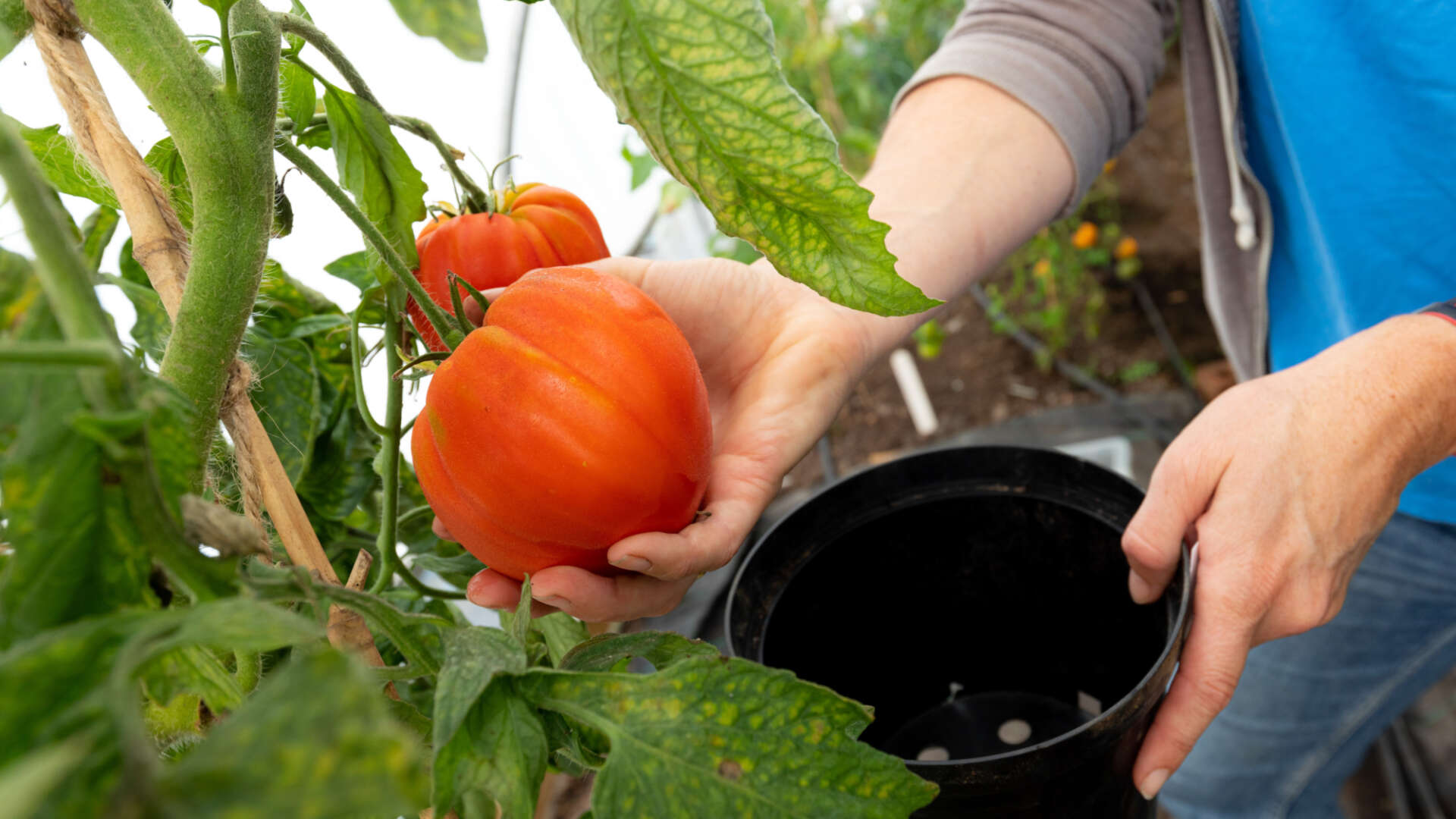
As I worked up a decent sweat emptying two large compost bins – turning over another and distributing the yields across various veg crops and beds – I asked myself (as I often do): “why on earth am I doing this late on a cold, supposedly summer evening?”
It’s exercise, of course. And fun; I still get little thrills seeing the worm activity. But the real purpose has recently been brought into focus – it’s a slow way of building and applying fertility. It’s what distinguishes organic and low impact gardening from other types. My labour is free.
An end to brought-in fertilisers
The Middle East conflict went critical when Iran closed the Strait of Hormuz in March, 2026. This brought tanker traffic to a halt – with it a fifth of world oil trade, and a third of its fertilisers. Antony So and I wrote a briefing for the National Preparedness Commission itemising UK dependency on relatively few sectors and states due to ‘bought-in’ fertilisers(1).
I was not alone in thinking every gardener really ought to be encouraged to stop colluding in this weakness. In an ideal world, perhaps all gardening organisations might have been able to put out a joint statement to that effect. Surely this would be central in a shared version of gardening for food resilience. Many lock-ins and powerful forces might pray just to return to business-as-usual, but the longer the crisis continues, the more analysts say quietly the era of unlimited artificial fertilisers might now have peaked.
Who knows? Speculators certainly took their chance in March, raising forward prices. Food industry analysts forecast food price inflation of 9-10%(2) The Energy and Climate Intelligence Unit calculates by November this year, prices will have risen 50% since 2021 already(3).
The organic price tag
The organic movement is not immune. Its products are trucked about by oil, and are often packaged in plastics (also oil), or even if they’re cardboard, they’re coated in plastics. I reviewed my garden set up. I have numerous old plastic pots, seed trays and labels, justified as too usable to chuck. Seeds are the exception – mostly packaged in paper. The point is that, if fertility comes from long, slow-release composts or mulches, and use of animal manures, and we avoid agrichemical ‘plant protection’, all growers can avoid most but not all oil shock impacts.
The Middle East conflict is a major wake-up call for all gardeners and growers, and should increase biological approaches to food growing. Organic growing may be able to avoid NPK fertiliser dependency, but we’re not likely to avoid the challenge of growing food in times of extreme climate change.
Two reports underline the dire prognoses of climate change ahead. One from the UN’s Food and Agriculture Organisation with the World Meteorological Organisation on extreme heat (4) the other from the UK’s Climate Change Committee (CCC) exploring whether and how the UK might be able to adapt to it (5). Both point to serious impacts of exceeding 2⁰C but say this becomes daily more likely.
Food security is at risk. A large modelling study in 2025 expected major disruptions to normal cropping worldwide (6). The CCC in effect rightly said that, like it or not, we must be creative in what and how we grow. This won’t happen unless the public is more rapidly engaged in that process (7).
Consumer society is still locked in to the ‘golden years’ of the last half century. We/they expect a cornucopia of massive choice. A more fluid world is emerging, requiring innovation at local and national levels. Rebuilding local and diverse sources is becoming daily more important. These can contribute to resilience (8,9).
The days of thinking unlimited food automatically comes from a local supermarket might be ending.
References
1. So A, Lang T. The Strategic Geography of Fertilisers: Implications for UK Preparedness. London: National Preparedness Commission, 2026.
2. IGD. IGD forecasts food inflation could surge amid middle east conflict. Letchmore Heath: IGD, 2026.
3. ECIU. Food prices set to rise by 50% since the start of cost-of-living crisis. London: Energy and Climate Intelligence Unit, 2026.
4. FAO, WMO. Extreme Heat and Agriculture. Rome: Food and Agriculture Organisation of the UN and World Metereological Organisation, 2026.
5. Commitee CC. A Well-Adapted UK; The Fourth Independent Assessment of UK Climate Risk (CCRA4-IA). https://www.theccc.org.uk/publication/a-well-adapted-uk/. London: Climate Change Committee, 2026.
6. Hultgren A, Carleton T, Delgado M, et al. Impacts of climate change on global agriculture accounting for adaptation. Nature 2025; 642(8068): 644-52.
7. Bridle S, Smith E, Jones A, et al. Potential Pathways and Solutions to Acute Food System Crisis in the UK. Sustainability 2026; 18(3): 1342.
8. Béné C. Resilience of local food systems and links to food security – A review of some important concepts in the context of COVID-19 and other shocks. Food Security 2020; 12(4): 805-22.
9. Sustain. Local food isn’t just a nice-to-have. It’s an essential ingredient of UK economic resilience: https://www.sustainweb.org/assets/local-food-and-resilience-briefing-1777483583.pdf. London: Sustain, 2026.