Our views
Neonicotinoids
What are neonicotinoids?
Neonicotinoids (or neonics) are insecticides that have been used globally by the agricultural industry to kill a variety of pests such as aphids (greenfly and blackfly) and root-feeding grubs on crops.
Why are neonics so bad?
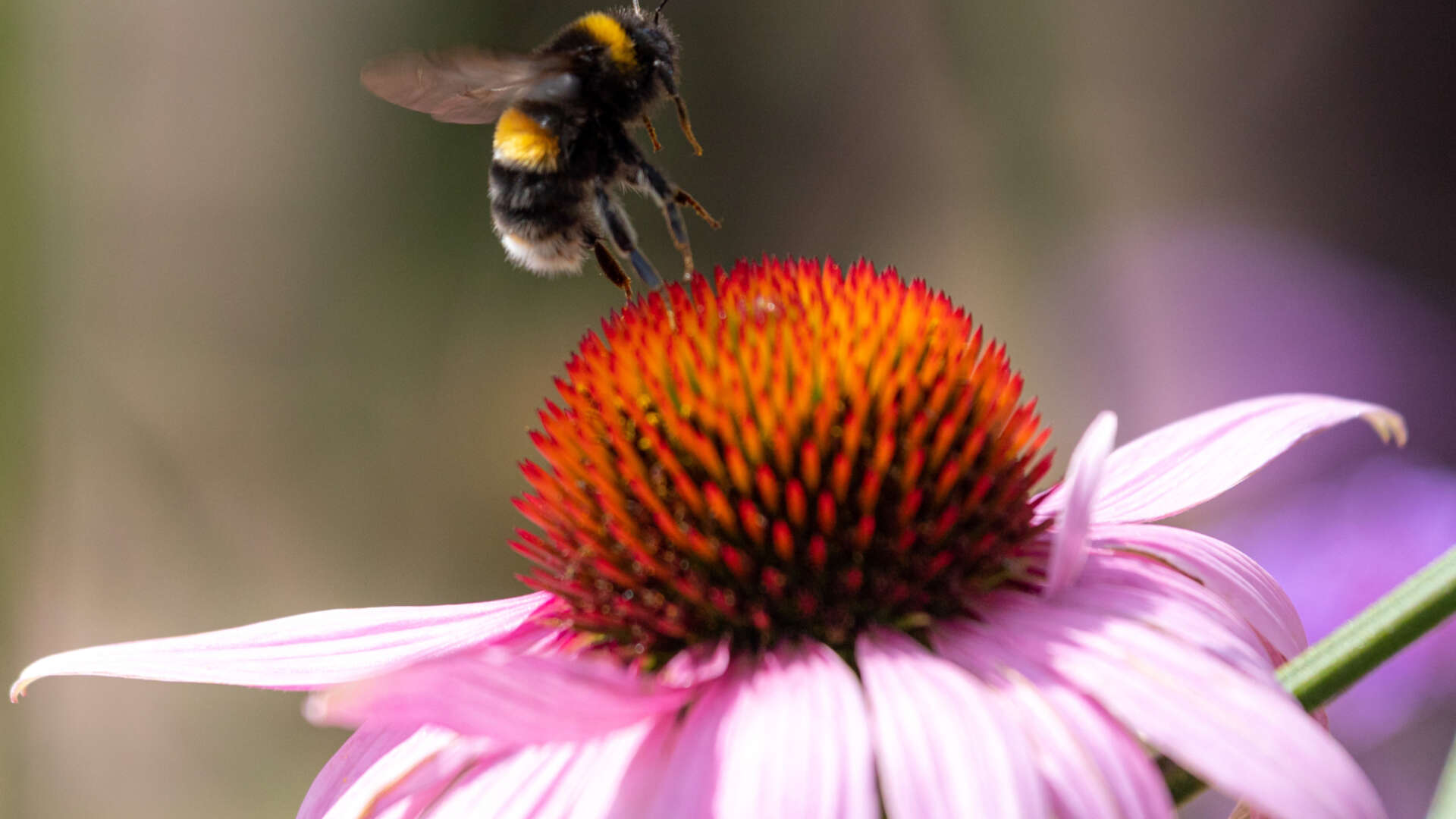
Neonicotinoids act as a nerve poison on the insect, causing paralysis and eventual death. They are systemic pesticides i.e. they are absorbed by the whole plant and transported to all its tissues (from root to flower) including the pollen and nectar. This affects bees and other pollinators, as well as worms in the soil, birds from eating the seeds, and aquatic life from the run-off into rivers and streams.
The toxin remains active in the plant as it grows, and stays in the soil for up to a year - often longer if there are repeat crop sowings year-on-year.
Prof David Goulson, from Sussex University, writes: “The toxicity takes your breath away – just five maize seeds treated with neonicotinoids are enough to kill a grey partridge.”
Are neonics banned in the UK?
Neonics are still used on a vast scale by farmers worldwide. Virtually 100% of the corn in the US, Canada, Australia, and China is treated with it. Other countries have implemented various regulations and restrictions.
But the future is looking brighter for bees in the UK. In 2018, the UK government banned three neonics - clothianidin, thiamethoxam and imidacloprid - for outdoor use, although commercial growers are still able to use them in enclosed greenhouses. They also allowed for emergency authorisations for sugar beet farmers - despite independent expert advice showing the risks to the environment far outweighed the benefits.
In January 2025, the government announced they would not approve the emergency use of neonic 'Cruiser SB' - mainly used on sugar beet - for the first time in five years. One teaspoon of this toxic chemical is enough to kill 1.25bn bees.
The government says it is working towards legislative options that would prevent future emergency authorisations, and move towards a complete ban. In September 2025, it also set out new guidance to protect pollinators such as bees.