Regen your garden
We’re hearing a lot about regenerative growing, but what does it really mean? Much has been derived and extrapolated from regenerative farming. However, there is no single definition.
The Wildlife Trusts suggest “an approach to farming that, in theory (our emphasis) allows the land, the soil, water, nutrients, and natural assets to regenerate themselves, as opposed to conventional approaches to farming that can deplete these natural resources”.(1) But what does this mean in a practical sense?
A regen approach draws on centuries of cultivation practices such as cover crops, no dig, rotations, composting and increasing biodiversity. In fact, some definitions of regenerative growing include ‘organic’ as a regenerative practice.
Defining principles of regen
What defines regenerative gardening is in some ways a matter for the individual to decide – though several American blogs, provide some scope (2&3). The key focus can be taken from the name, with the intention to regenerate those resources within the garden that have been depleted over the years and to look at the garden as an ecological system with all its interconnections.
Soil is the basis of all gardening and regen looks to actively restore soils that have become depleted through intensive gardening methods. It seeks to produce a healthy living soil teaming with life and increased organic matter and carbon. Techniques such as adding compost, mulching, no-dig and cover crops are widely used to address this.
Sitting within soil will be nutrients and their cycles. The aim is to minimise or avoid synthetic inputs and utilise natural sources like compost, mulch, green manures and crop residues. These help manage and feed the soil so it has the required nutrients that plants need, when they need them.
In parallel with nutrients is water stewardship. If the soil has plenty of organic matter and life, this will mean that water is held within the soil – but it also has good drainage, which will stop excessive runoff.
Other regen approaches look at water in a more systemic way and will encourage harvesting rain, and more focused watering/irrigation.
Biodiversity in all forms is a critical aspect, with the use of diverse plantings of both food and ornamental plants. Increasing the amount of pollinator habitats and wildlife-friendly spaces (more wild areas, ponds, more native species) is also important. Some also encourage integrating livestock into your garden, such as chickens. Livestock adds an extra level of complexity, but it’s an efficient way to use up scraps of food and garden waste – and they also hoover up weeds and ‘pests’.
‘Regenerative’ versus ‘organic’
The characteristics of regenerative gardening are familiar and closely aligned with organic gardening, with its systems-approach. This means working with nature and prioritising soil and ecosystem health over synthetic interventions and ‘quick fixes’.
We would argue that if you’re working within our Principles of Organic Gardening you’re already incorporating most of the elements that would be called regenerative gardening.
However, when it comes to choosing what to buy, products marketed as ‘organic’ must follow a strict set of production and processing standards, overseen by a certification body such as the Soil Association or Organic Farmers & Growers. While permission for using non-organic methods, such as seed, in extreme circumstances can be obtained by organic producers via a derogation, consumers can trust these certification bodies to maintain robust standards.
As a reasonably new concept, regenerative farming doesn’t have a similar set of standards, which means it can be open to abuse. There have been well-reported cases, for example, of glyphosate use in regenerative farming to kill off weeds and cover crops without tilling. The flip side of this is that producers doing great work can get recognition for their sustainable methods, without the challenge of certification, which can be too costly or time-consuming for some, particularly smaller-scale growers.
The Soil Association’s Regenerative Agriculture position statement available on its website sets out the differences on farm-scale in more detail.
What to adopt in your own garden
- Start with your soil. Healthy soil is full of bacteria, fungi, microbes and other creatures, which create the right environment for plants to thrive. Rather than reaching for synthetic fertilisers to feed your plants, nurture the soil by adding compost and other bulky organic materials such as plant residues and soil additives. This not only adds organic matter (increasing carbon content) and nutrients but also helps create a good structure for plant roots to penetrate and allows them to thrive. Practise no-dig gardening to avoid disturbing the complex soil life.
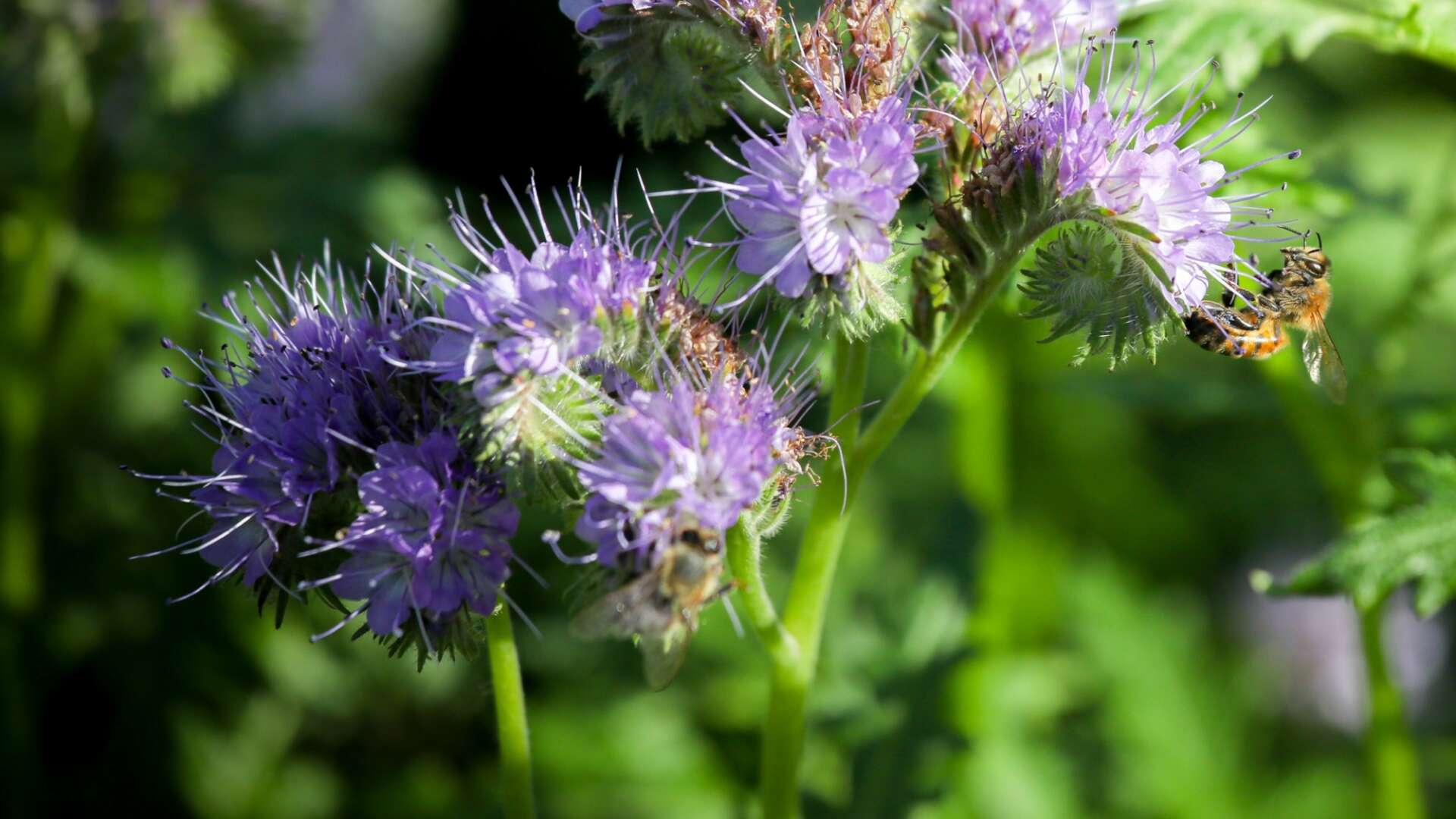
- Plan your planting to make best use of the soil’s nutrients and to avoid build-up of pests and diseases. Grow cover crops and green manures, such as vetch, forage pea, crimson clover, phacelia and flax (4), which hold nutrients in the soil and can help suppress weeds.
- Encourage biodiversity. Grow different types of plants and a range of varieties within these plant types, so that a mix of flowers, vegetables, trees and shrubs are all present. Provide habitats (cultivated areas, wilder areas, grass, ponds, borders, etc) and food sources for wildlife. They’re not only a delight to look at, but each species has its role in maintaining a natural balance.
- Use resources responsibly and local natural resources, such as wood and plant material, where possible. If there is a need for a synthetic resource, such as plastic, will a plant-based, rather than an oil-based product be suitable.
- Avoid harmful chemicals. ‘Pest’ and weed problems may tempt you to reach for pesticides and weedkillers, but these will harm other life forms. They can also cause serious pollution – either in their manufacture or from residues, which can leach into soil and water courses. It is much better to tolerate, not obliterate. For instance, some weeds – such as dandelions – are beneficial to pollinators. Others, such as nettle leaves can be added to the compost heap or used as an organic plant feed. They are also great habitats for beneficial insects. Insect ‘pests’ such as aphids, are food for beneficial insects such as hoverflies and ladybirds. Some slugs are nutritious for hedgehogs, thrushes and ground beetles.
Whether you want to call your gardening ‘organic’ or ‘regenerative’ it really doesn’t matter. By taking care of and enhancing your soils, increasing biodiversity, water resilience, and ecosystem health, you’re likely to be addressing the biodiversity crisis and climate challenge in your own way.
It was Harriet Bell, regenerative farming lead at Riverford, who said “the best regenerative farmers are organic, and the best organic farmers are regenerative”.
References
1. Hird, V. What is regenerative farming? https://www.wildlifetrusts.org/blog/vicki-hird/what-regenerative-farming (2023).
2. Lewis, M. What is Regenerative Gardening? Cultivating a Thriving Ecosystem. https://foreveryard.com/what-is-regenerative-gardening/ (2025).
3. Searle, B. What is Regenerative Gardening? https://www.dalefootcomposts.co.uk/latest-news/news/2023/4/what-is-regenerative-gardening.aspx (2023).
4. Rosenfeld, A. A Winter Green Manure Mix for Gardeners. https://garden-organic.files.svdcdn.com/production/documents/Winter-Green-Manure-Report-2022-23.pdf?dm=1747124707 (2022).