Five fascinating insects to look out for this summer

From devoted parent bugs to long-distance butterfly migrants, there are plenty of remarkable creatures to discover if you know where to look.
Parent Bugs (Elasmucha grisea)
These bugs are spotted on birch and alder trees. The female broods her eggs and looks after the young until they are almost fully grown, protecting them from predators and sheltering them with her body from sun or rain.

Mint moth/purple & gold moth (Pyralustra aurata)
Mint moths are found close to their larval foodplants, usually spear & apple mint and marjoram. About the size of a little fingernail, these moths fly in daylight. Larvae may sometimes be found at the top of young shoots, webbing leaves together.
Emerald moths (Campanaea margaritaria)
Emerald moths are several closely related species of beautiful green moths with white line markings. Some can be up to 50mm across the wings. As they age, their colours fade to nearly white. Flying at dusk, the larvae feed on various trees, grasses and occasionally heathers.

14-spot ladybirds (Propylea quatuordecimpunctuata)
These ladybirds are tiny, about half the size of a common 7-spot ladybird. The adults are usually creamy yellow & black, but the shape of the spots and the number of them varies. Like other ladybirds, they eat aphids, but also both moth & butterfly eggs, whitefly and scale insects.
Painted lady butterflies (Vanessa carduii)
These large migrant butterflies are having a big migration to the UK this year. Flying from North Africa over several generations, the adults which reach here will lay eggs on thistles and nettle plants before hatching out. Eventually they – or their offspring – will fly to Spain in late summer, where they will breed again before the next batch makes the journey toward the borders of the Sahara, central Asia and the Middle East. Some of the first generation of butterflies will continue travelling northwards, possibly as far as Orkney and Shetland or onwards, well into the Arctic Circle.
More on advice for June:
-
Your organic garden in June
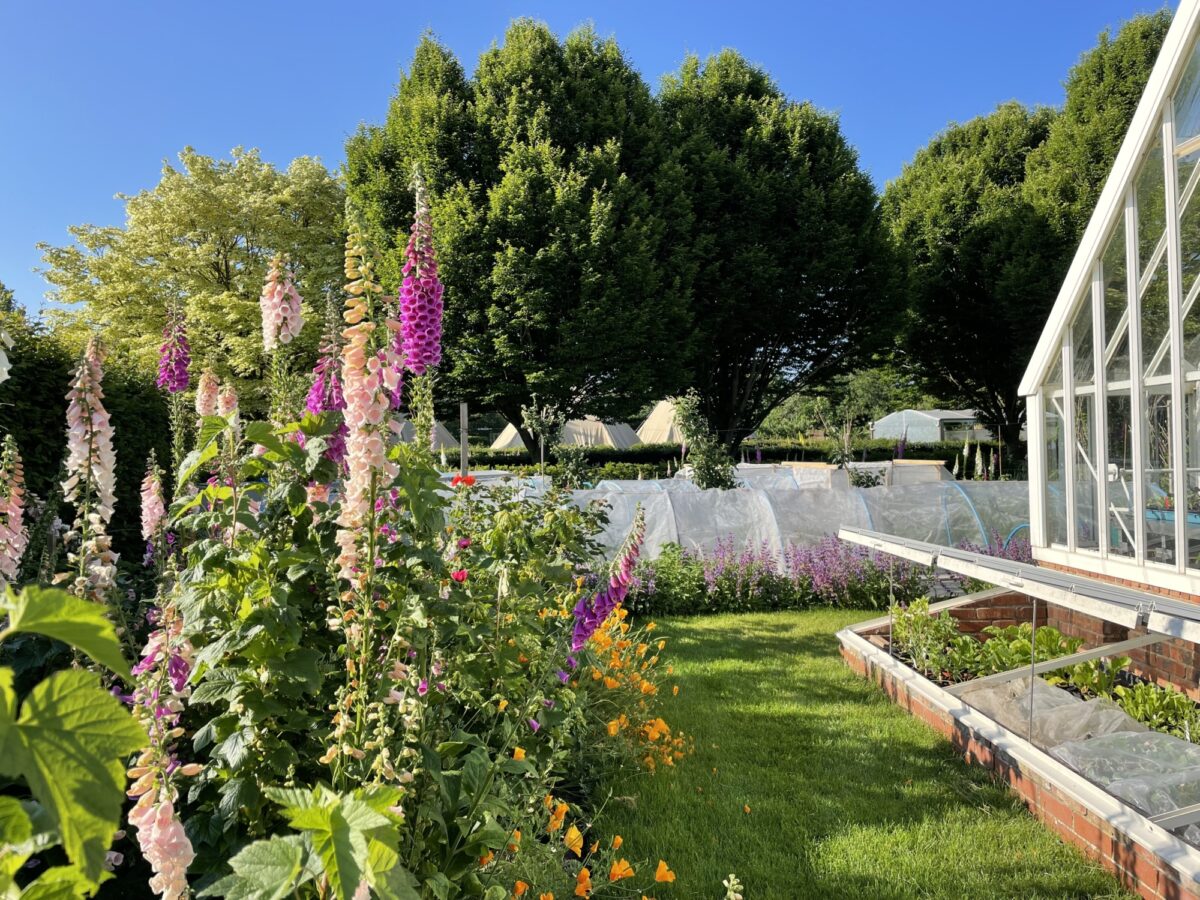
Early summer in the organic garden is full of colourful new growth. This makes a busy - but lovely - month in the garden. Keep on top of weeds and remember the two organic principles: good soil management, and diverse planting to encourage plenty of beneficial wildlife.
-
What to sow and plant in June
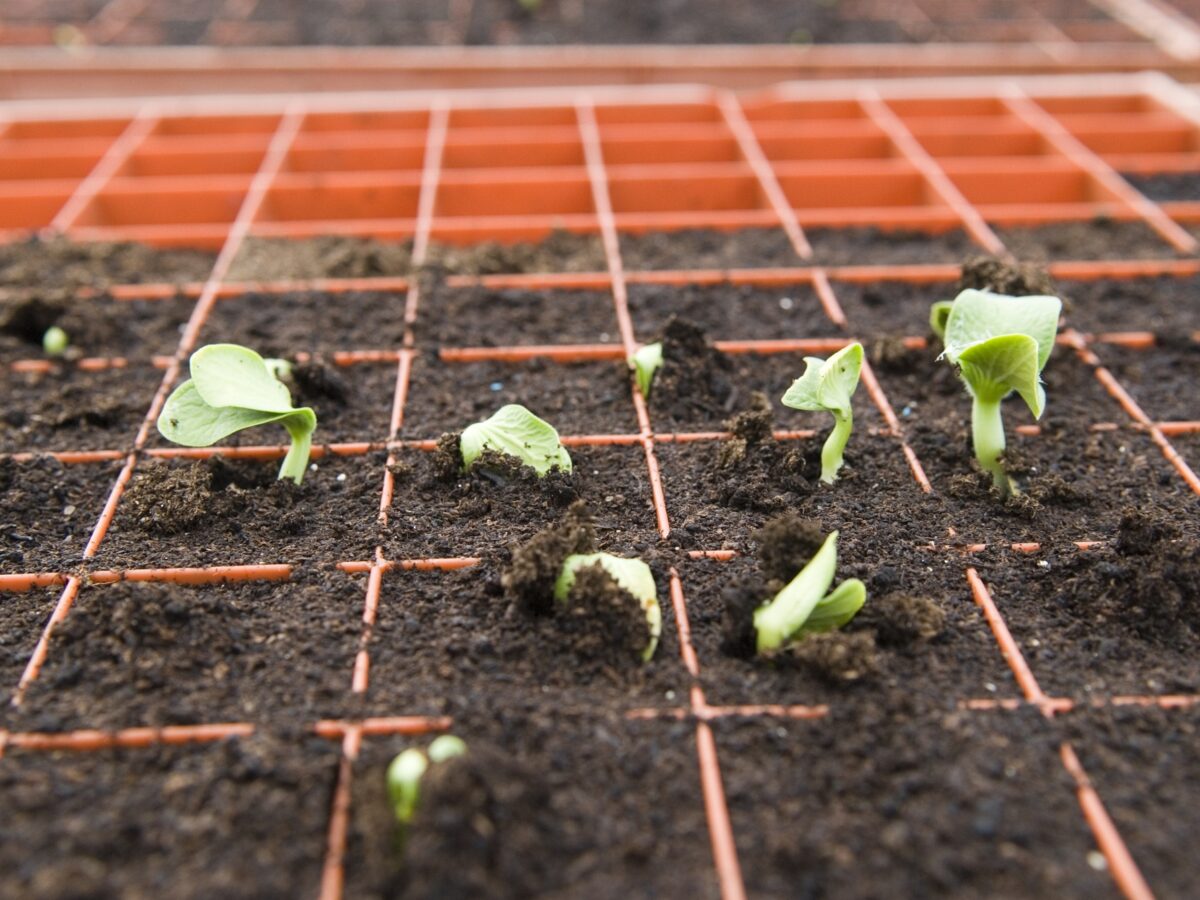
A list of what to sow and plant in June
-
Chris Collins on…summer bulbs
Don’t just plant spring bulbs, invest in some low-cost summer stunners to fill your borders and veg beds, says Chris Collins